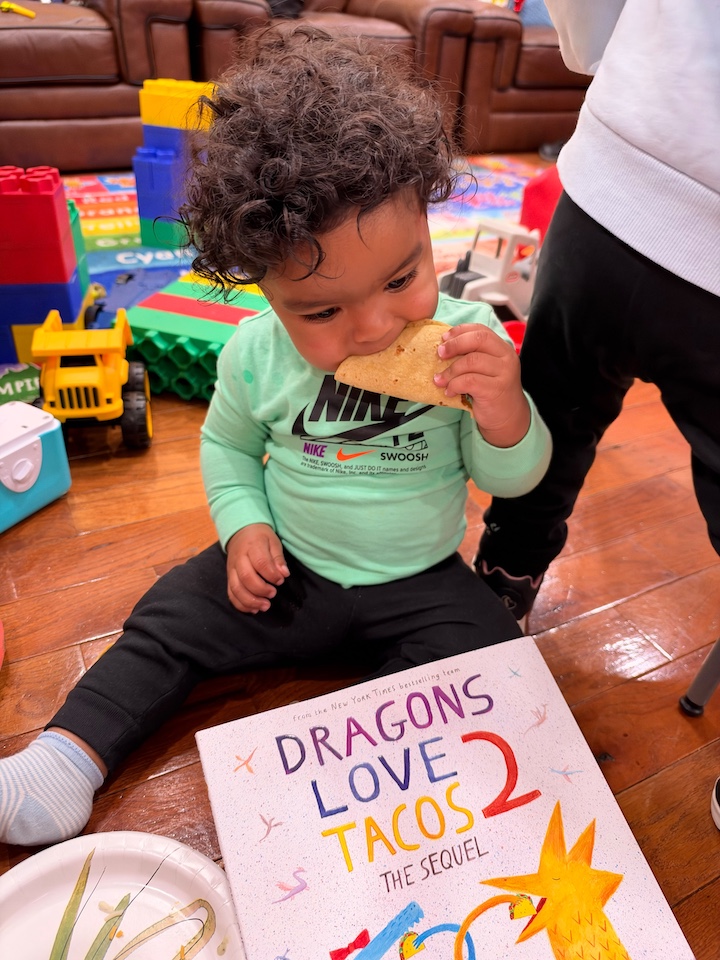
We have long recognized that hungry children cannot learn. In a school setting, subsidized or free breakfasts and lunches historically addressed that issue. So many public school children qualified for free or reduced meals in NYC public schools that the cost of collecting lunch fees from ineligible students was greater than the revenue. New York abandoned means tests and offers universal breakfast and lunch.
But what about summer, when schools are not in session? In August, Governor Hochul held a press conference announcing the state’s investment of $216M in food assistance to low income families to support their nutritional needs.
| LINC was there: Literacy in Community Deputy Executive Director Eliana Godoy said, “At LINC, we know that children cannot learn and thrive when their most basic needs are not met. Every day, we work alongside families and communities across New York City, equipping parents and caregivers with the knowledge, tools, and confidence to support their children’s early learning and literacy. But families cannot do this alone. Access to nutritious food is a basic building block of a child’s well-being and a public good that helps create the conditions for children to grow, learn and thrive. Summer EBT strengthens the ecosystem around families by easing the added financial pressure of the summer months and helping parents ensure their children have the nourishment they need. We are grateful to Governor Hochul for recognizing that when we invest in families and build strong systems of support around them, we give every child a stronger foundation for success.” Media Release 8/11/26 |
As we enter a season of both gratitude and celebration, a time when traditional foods and plenty are prominent, it bears remembering not only that food insecurity affects children year-round, but that children need a nutritious diet to support brain development in their earliest years – before school. The toxic stress of hunger damages children physically and emotionally, and is particularly detrimental during the years from birth through five.
The more complex brain functions needed for language and reading rest on neural networks built in the earliest years; by the time a child enters kindergarten, their brain’s ability to adapt to new stimulation is already diminishing. If we strive to improve reading proficiency, we must consider the whole child and the critical importance of the earliest years.
We are grateful for all the elected officials and policymakers who recognize the value of investing in our youngest New Yorkers. We thank Governor Hochul for her ongoing commitment to young children and for implementing comprehensive programming to support them.
To learn about and register for one of LINC’s programs, click here.